How local knowledge shaped Young Sherlock’s Paris and Constantinople
Yousaf Bokhari, Palma Pictures’ Head of Scripted production, and Irene Manrique Matin from the Locations team, explain how a search that began in Barcelona led to a multi-city shoot in southern Spain, with Cádiz, Jerez de la Frontera, El Puerto de Santa María, Seville and Huelva forming two 19th-century capitals.
When a period drama needs barricaded Paris, the streets of Constantinople, a railway station, a hospital, a family home and a working mine, finding places that look right is only the beginning. The harder question is whether those places can be controlled, dressed and connected within a workable production plan.
For Guy Ritchie’s Young Sherlock, the Spanish shoot brought together locations across southern Spain. Filmed in early 2025, the Prime Video series used Cádiz, Jerez de la Frontera, El Puerto de Santa María, Seville and Huelva to build two very different 19th-century capitals, with Seville as the production base.
Why the production moved south
The Spanish element of the shoot was initially scouted in and around Barcelona. One neighbourhood had the look of Paris, but the production also needed to dress and control a substantial area for the period drama. “Barcelona was a perfect fit aesthetically - says Irene Manrique Matin - "but the practical requirements of the shoot made it difficult to move forward.” The construction, daylight and need to keep the area operational for residents and businesses meant the required City Council permits were not feasible. The brief was to recreate the countries and periods in which the story is set while finding locations accessible and practical enough for a production of such a grand scale.
Yousaf Bokhari says; “we were looking to Andalusia for Istanbul and other locations, and Barcelona for a specific scene that takes place in Paris during the revolt. As the Barcelona sequence became smaller and Andalucía started to become more prominent for the shoot, the team looked for an alternative in the south to avoid a big company move from one end of Spain to the other.”
Manrique Matin shared photographs of Cádiz with the production team showing that its historic centre offered a connected streetscape that could carry a substantial part of the story.
The street that unlocked the wider solution
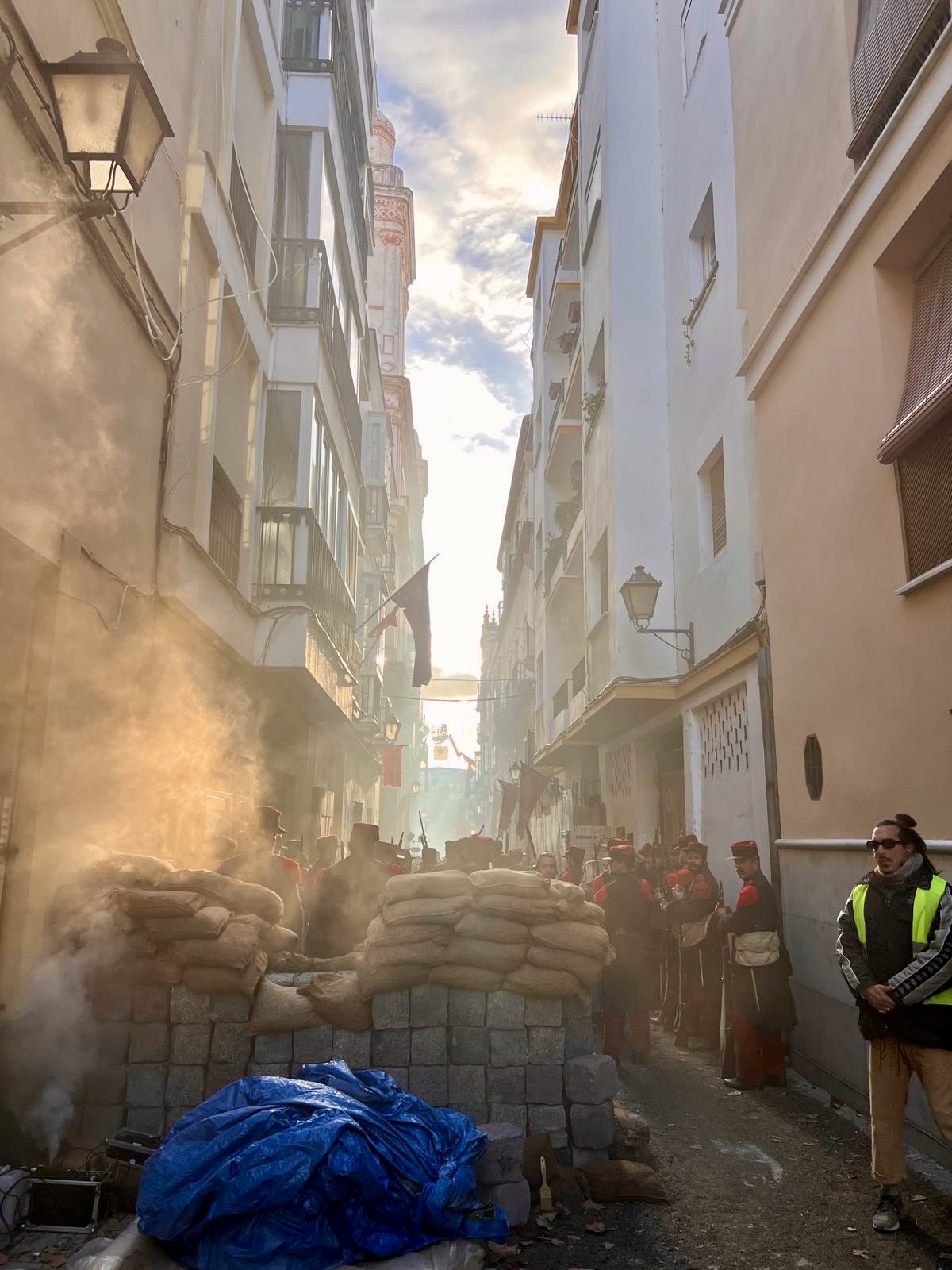
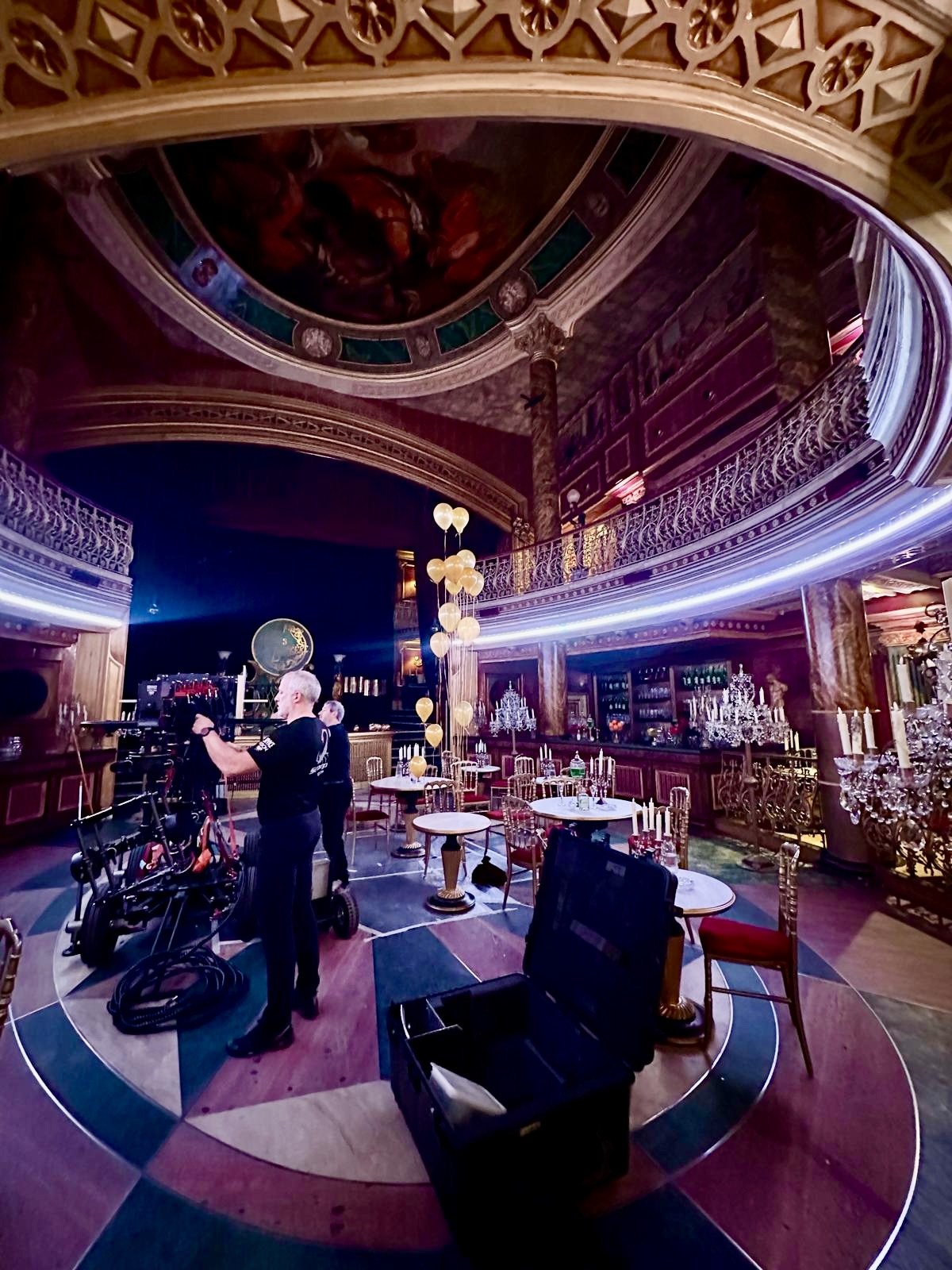
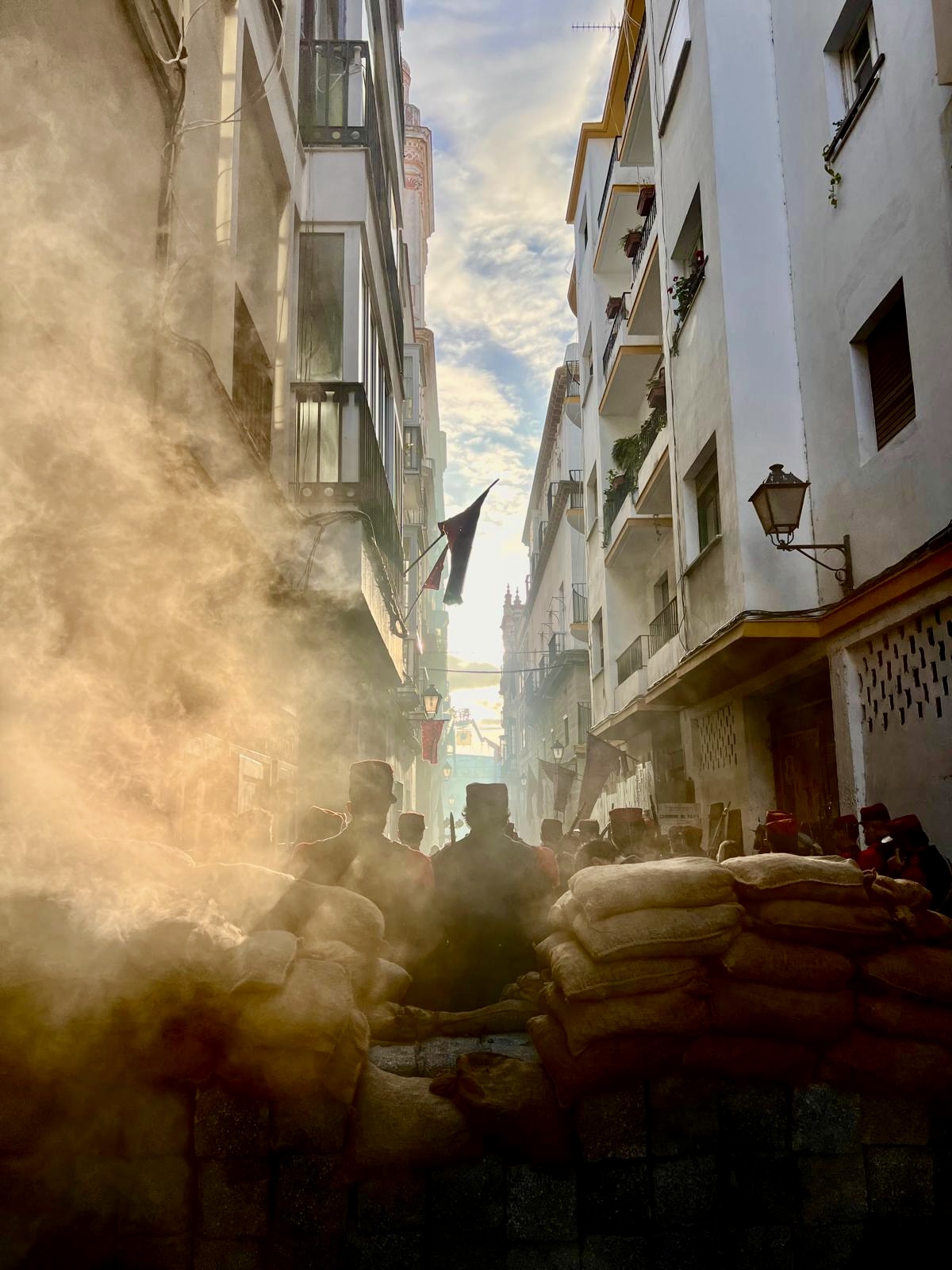
One corner in Cádiz became the starting point. It had the scale and sightlines for a barricade sequence, but its value extended beyond a single scene. Nearby, a café became a meeting point for the characters, while another street was transformed into the Folies Bergère, the Parisian nightlife venue featured in the series.
“Cádiz gave us the period look and feel that the production designer was looking for,” says Manrique Matin. The City Council permitted the team to close the area for more than three weeks, and she credits local residents and businesses on working so seamlessly with the team, giving the production the flexibility it required for this kind of project.
El Puerto de Santa María supplied another corner with a distinctly Parisian character. Rather than asking one city to provide every single angle, the team selected elements from neighbouring places and worked them into one continuous screen world.
Turning several cities into one production system
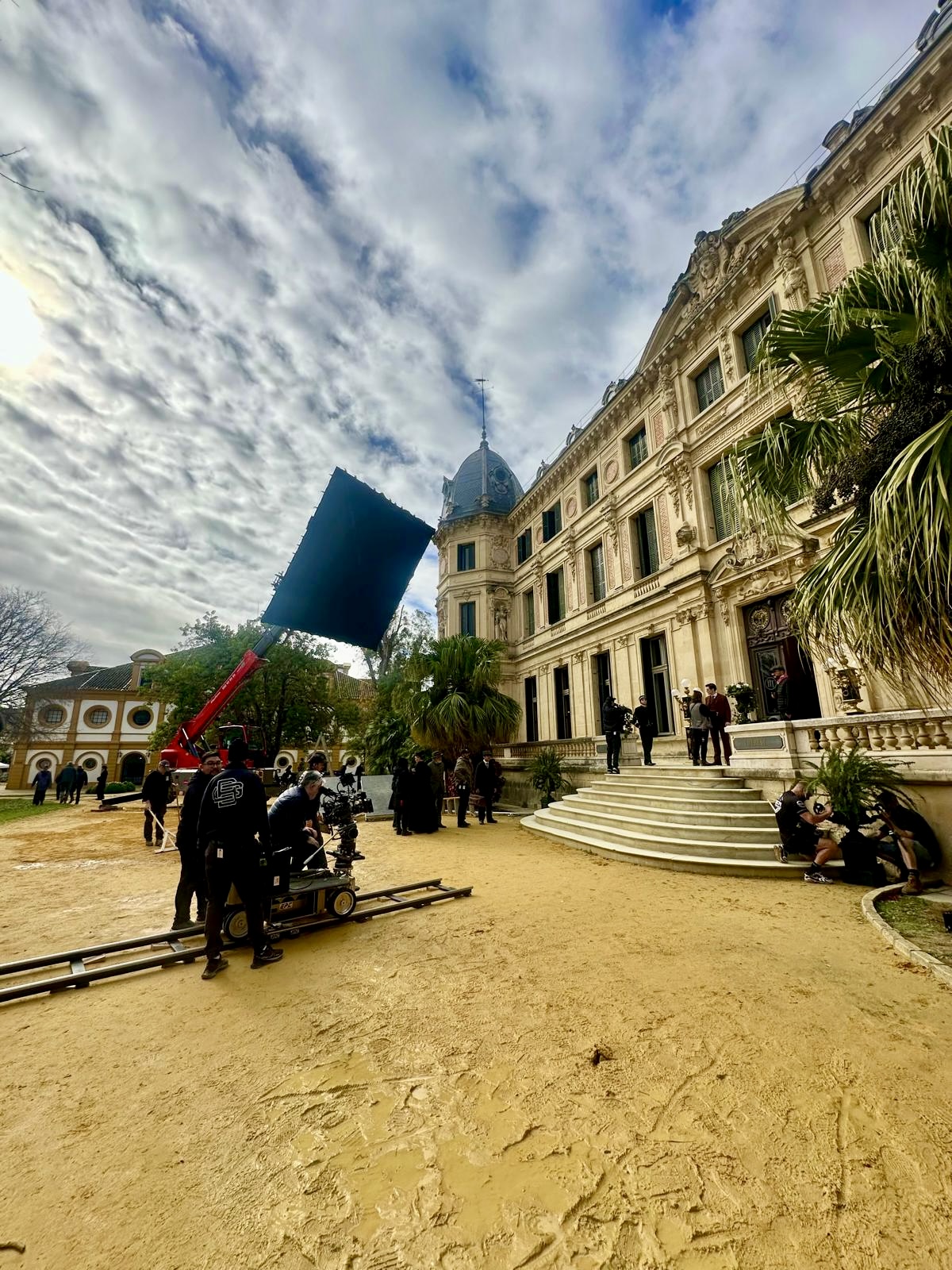
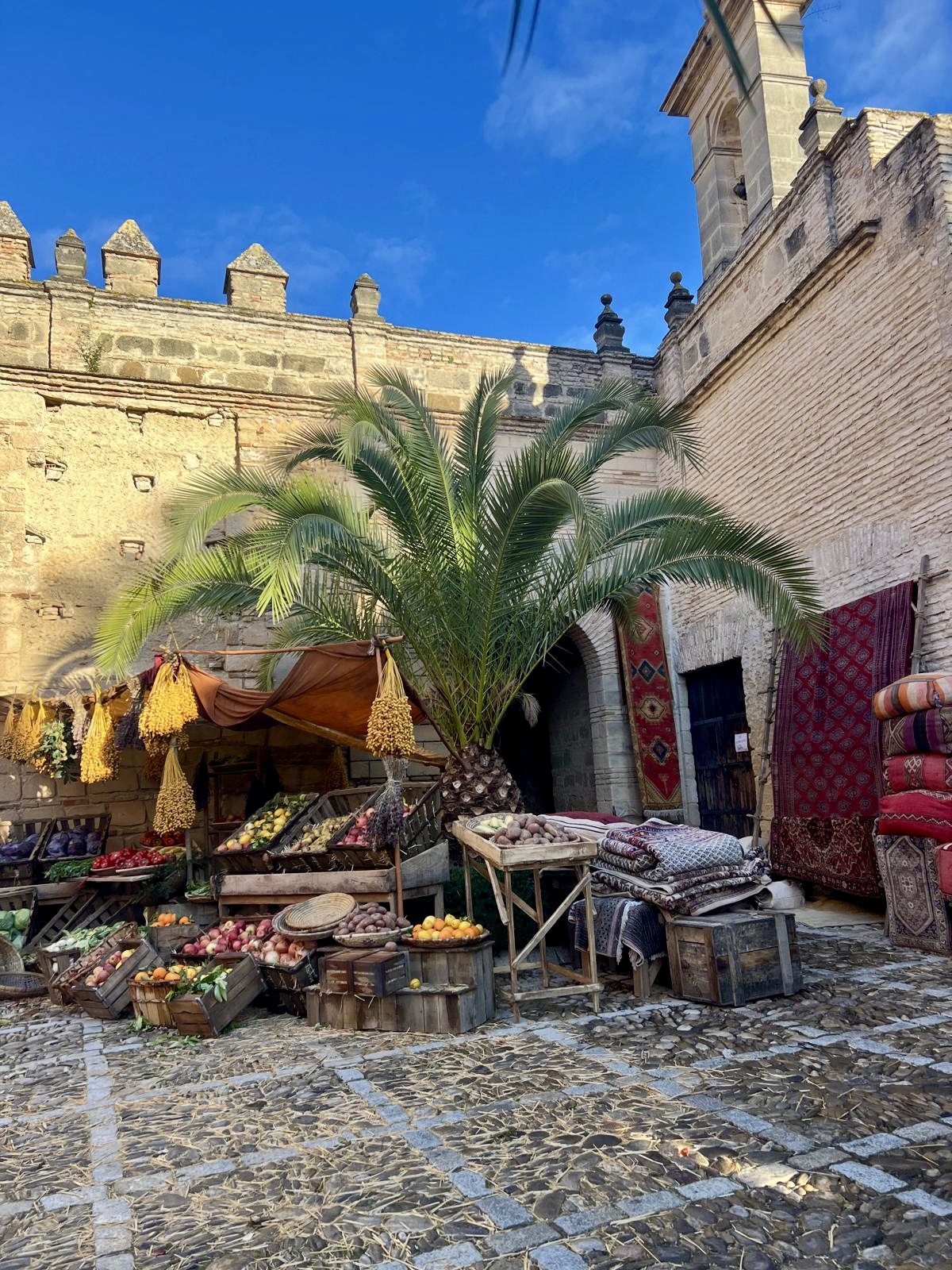
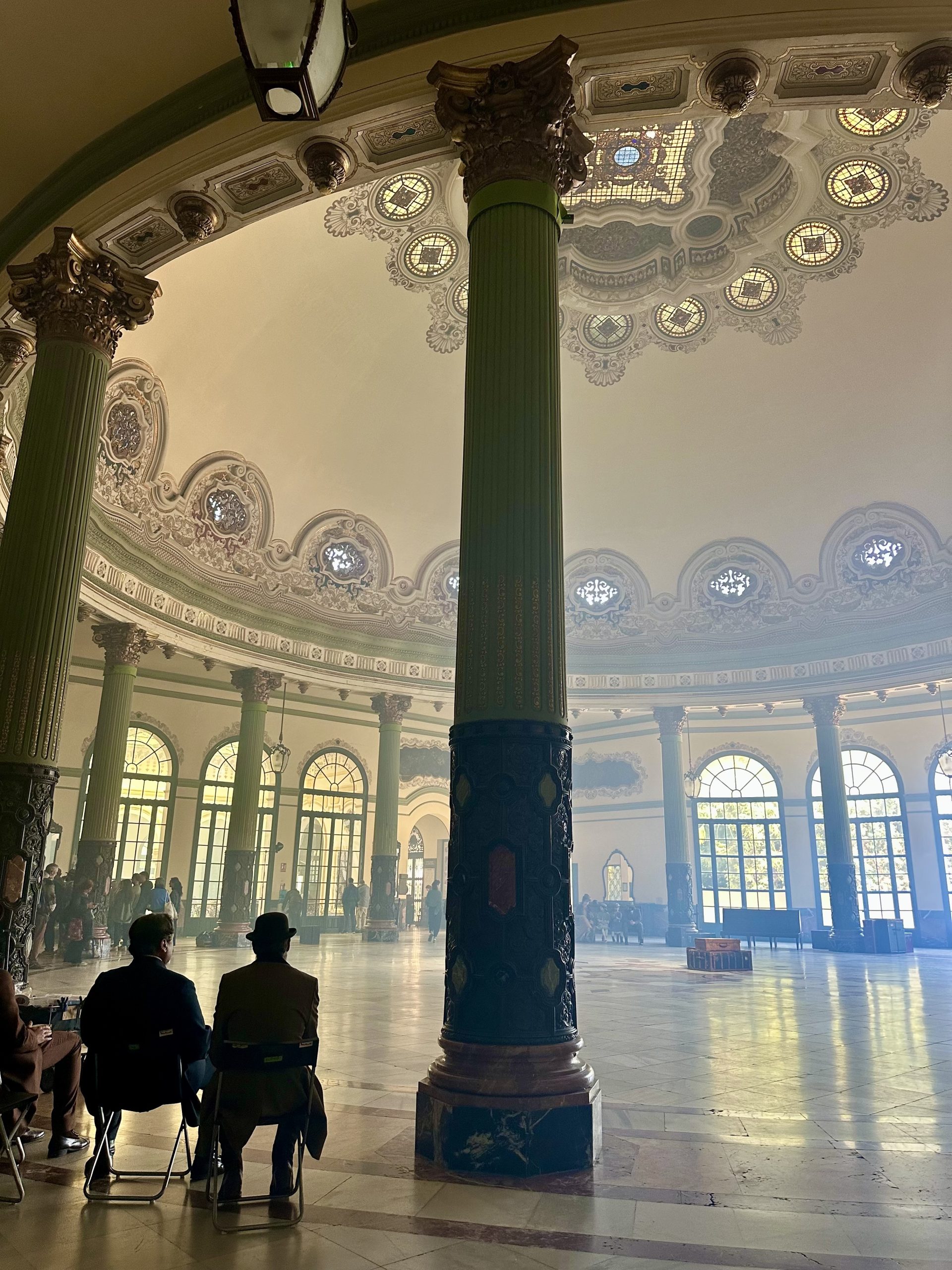
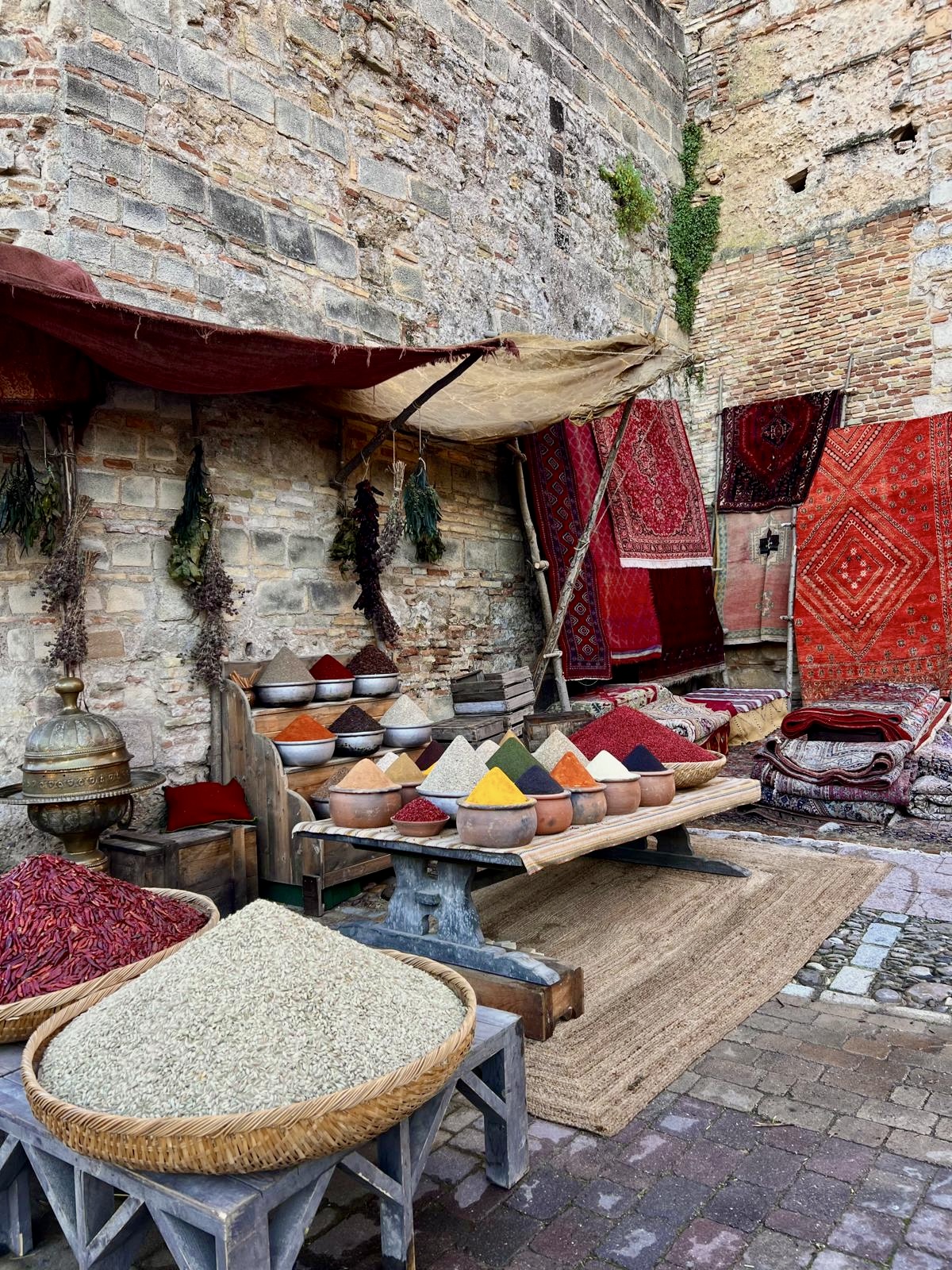
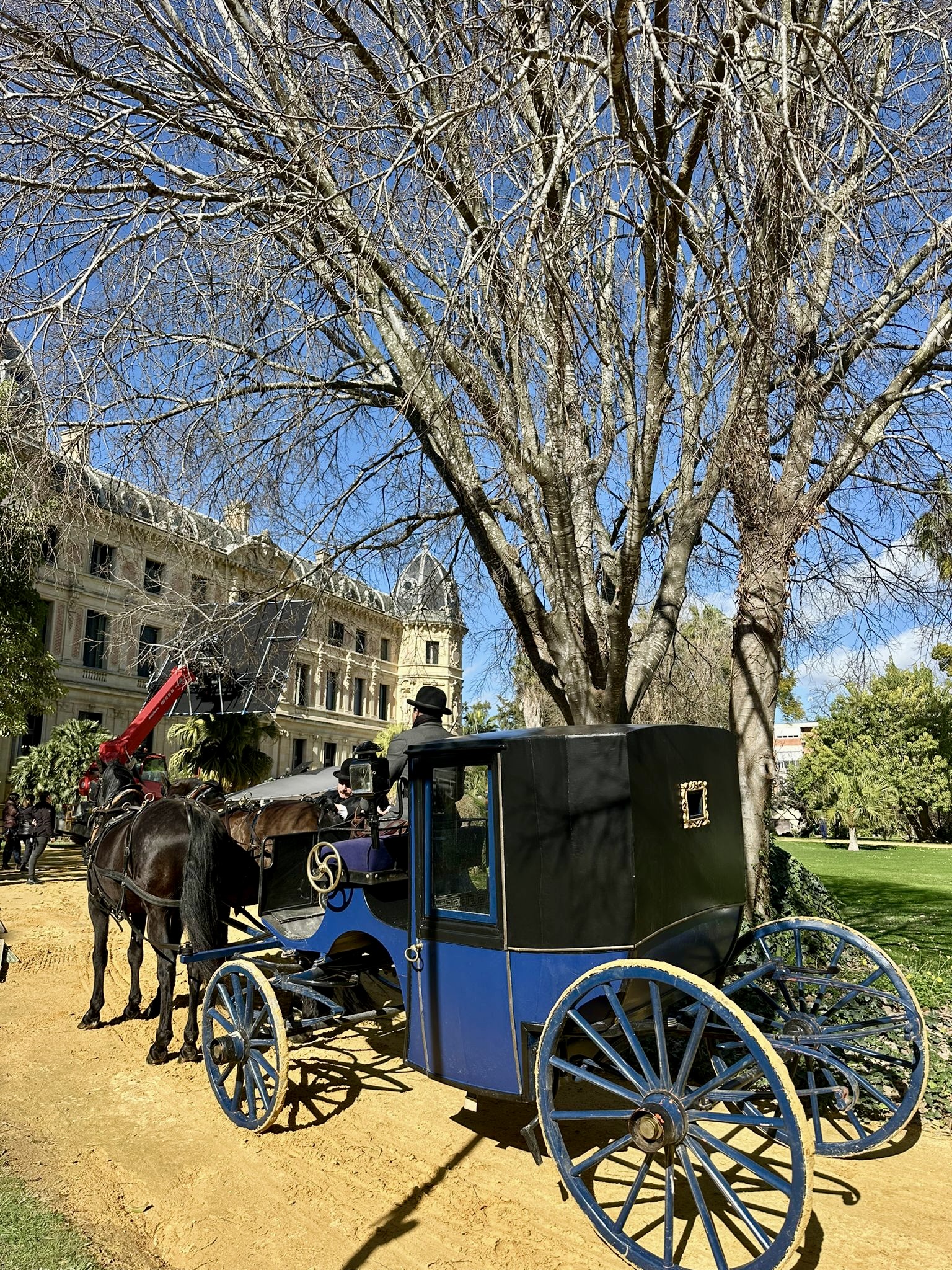
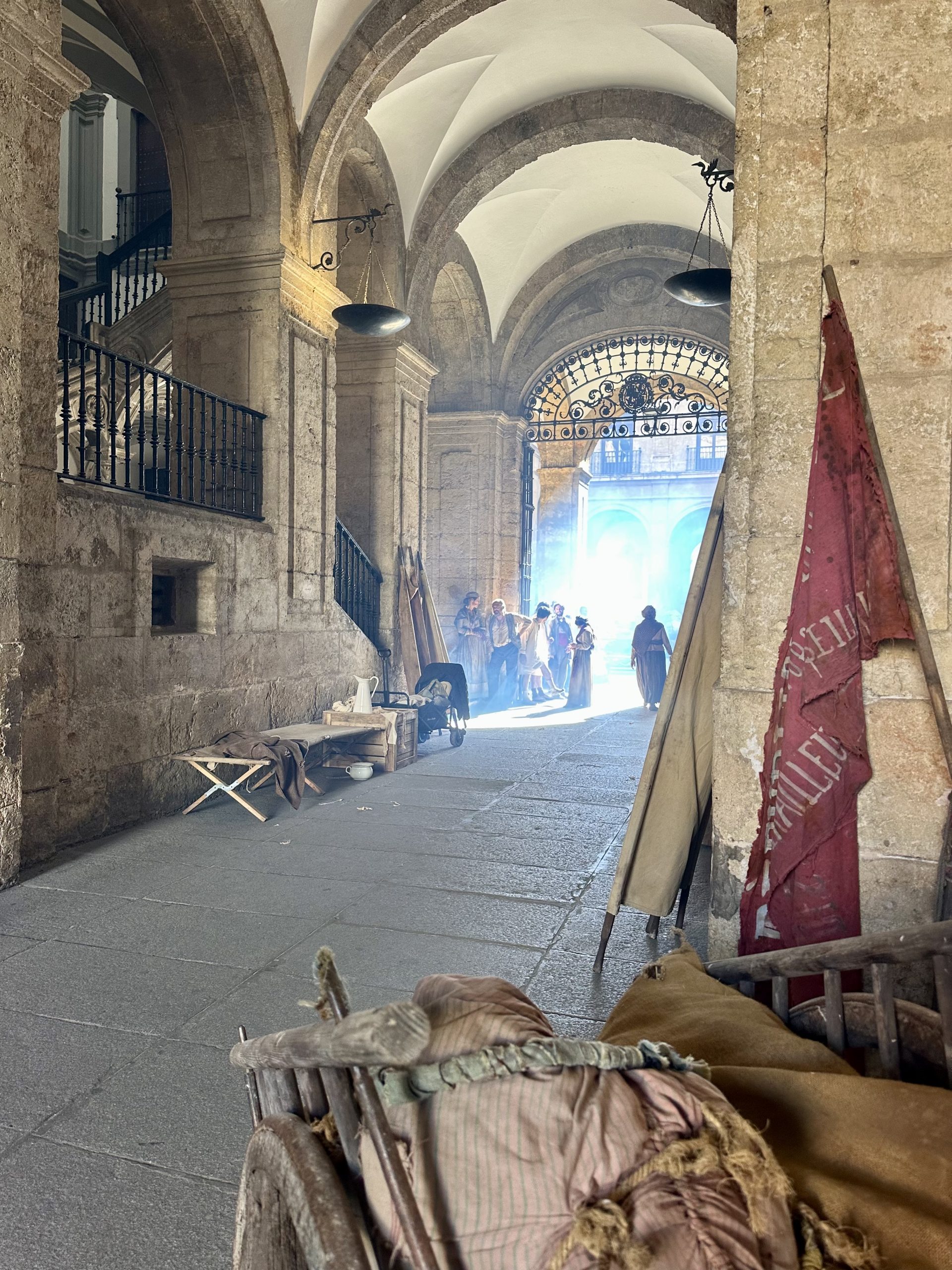
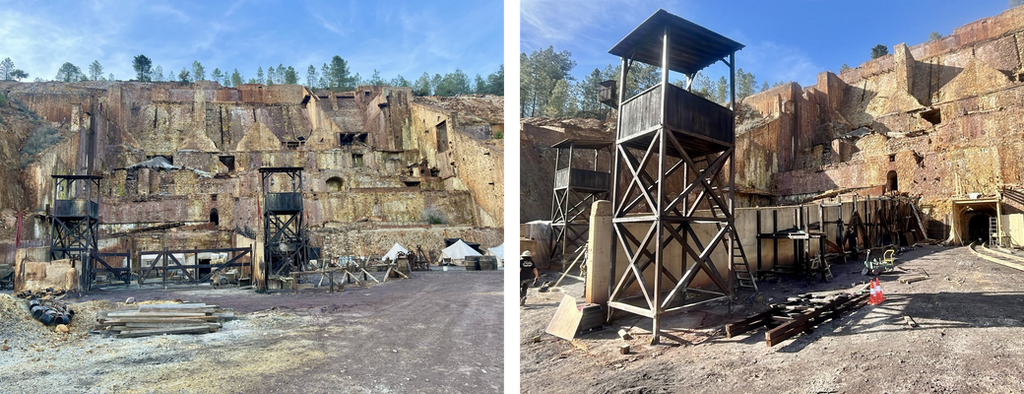
Jerez de la Frontera and Seville provided settings for the Medina of Constantinople, a Paris railway station, the series’ hospital and Sherlock’s family home. One historic building used for the family home had previously appeared in The Crown in a different guise. In Huelva, a former mining site became that of the father’s for the season’s closing scene.
“The production base was in Seville, where we have long-standing relationships with an incredible pool of local technical crew,” says Manrique Matin. From there, the team carried out pre-production and travelled to the other provinces as each shoot day approached.
“Once the locations had been chosen, the most challenging task was establishing our base of operations,” says Line Producer Patricia de la Uz. The production office and main set construction were based in Seville. Sets then had to be transported to each location where they were assembled and dressed, while the shooting schedule was planned to limit travel and make the most of the facilities in each city.
Working out how those places read as one world required more than matching architecture. Each choice also had to consider access, traffic control, crew movement, holding areas, construction, costume and make-up.
Control, construction and the work outside frame
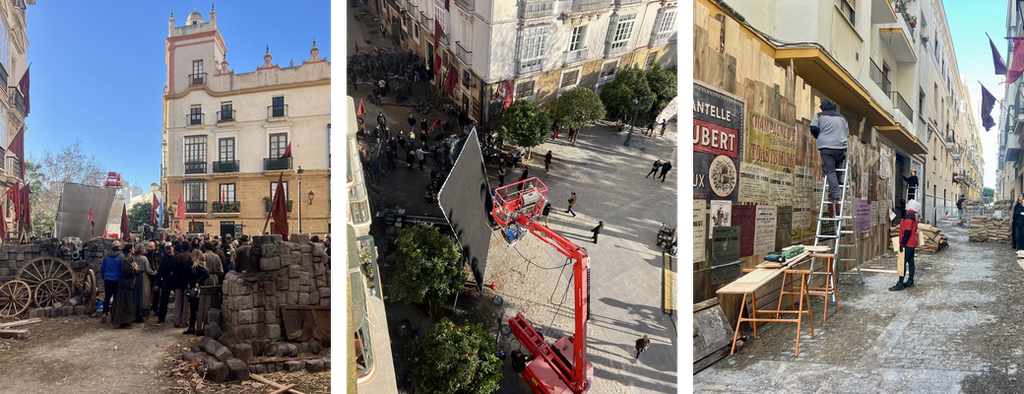
In Cádiz, eight streets were closed and around 250 people worked on set. Modern details had to disappear while the streets still functioned as a working production environment.
“We had to deal with everything from street signs and water hole covers to shop signage, front doors and other contemporary elements that could jeopardise the period look,” says Manrique Matin.
Moving a crew of around 700, alongside costume and art teams, period costumes, carriages, props, animals and equipment, demanded a carefully timed sequence of moves. “There was a constant flow of advance teams, shooting crews and strike teams, often working simultaneously in different cities,” says de la Uz. For her, logistics were hers and the production teams’ greatest challenge, even with the locations and art departments’ expertise making the transformation possible.
For Manrique Matin, securing permission to close the centre of a city was the most demanding logistical and administrative task. Filming at Casa de Pilatos presented a different challenge: the palace is a protected heritage site, so the team had to plan its intervention carefully and preserve the building throughout the shoot.
Why Andalucía worked
Andalucía offered historic streets and architecture that could suggest very different places on screen. For Young Sherlock, that range was useful because the locations could be reached from a central base and supported by local crew and production infrastructure.
The result depended on combining creative choice with a practical route through the region. A street in Cádiz, a building in Seville and a site in Huelva could each play a different part in the story without requiring a new production base for every setting.
Making the transformation disappear
The locations work on Young Sherlock received a 2026 Location Managers Guild International nomination for Outstanding Locations in a Period TV Series. The nomination names Deon Du Preez and Irene Manrique Matin. Palma Pictures’ southern Spain production was led by executive producer and head of scripted, Yousaf Bokhari, and line producer Patricia de la Uz.
On screen, Cádiz, Jerez, El Puerto, Seville and Huelva become places far beyond southern Spain. Behind that transformation were people who knew these places intimately, saw what each could bring to the story, and worked side by side with the international team to make great things possible.
IMAGES CREDITS: Irene Manrique Matin